Machinery and plant power
Dedicated supplies to production machinery, isolators, local distribution, and connection of new or relocated equipment during a plant move.
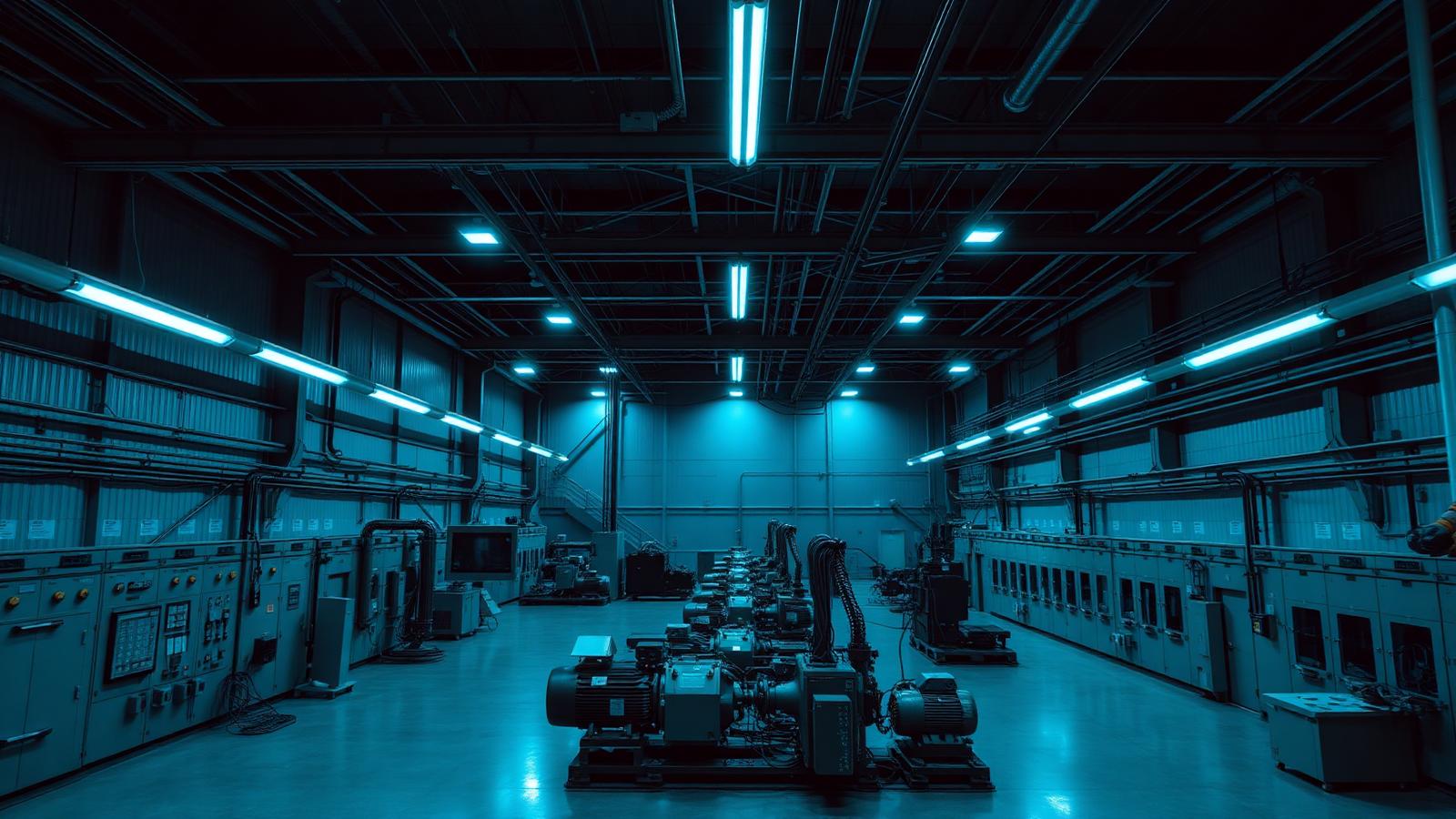
Industrial Electrical
Industrial electrical work is driven by process. The installation exists to keep machinery running, so the questions are about load, control, protection, downtime and how quickly a line can be brought back into service — not just about sockets and lighting.
GridGuys is a contractor-matching platform for that kind of work. Tell us what the plant does and what needs to change, and your enquiry goes to an electrical contractor working in industrial environments. GridGuys does not carry out installations itself.
Scope
Industrial enquiries usually involve power to equipment, the control of that equipment, or the infrastructure feeding both.
Dedicated supplies to production machinery, isolators, local distribution, and connection of new or relocated equipment during a plant move.
Control panel installation and modification, motor starters, soft starters and inverter drives, interlocks, and wiring to sensors and field devices.
Cable tray, ladder, galvanised conduit and armoured cabling routed through production areas, including runs that must withstand wash-down, heat, dust or vibration.
Sub-distribution around the process, switchgear replacement, load balancing across phases and additional capacity for new plant.
Reactive attendance when a line has stopped, and planned works packaged into shutdowns, changeovers or holiday periods.
Machinery isolation and emergency stop arrangements, earthing and bonding, and remedial works arising from inspections or insurer requirements.
Practicalities
These are the points that most often shape the programme, the method and the price on this type of project.
The cost of stopping a line usually outweighs the cost of the electrical work, so programme, sequencing and pre-fabrication matter as much as price.
Machine manuals, load schedules and panel drawings speed up pricing significantly. Where they are missing, a survey is normally needed first.
Dust, moisture, chemicals, heat and vibration influence enclosure ratings, cable types and containment choices across the installation.
Industrial sites commonly operate permit-to-work systems, inductions and escorted access, which affect how the works are planned and staffed.
Where it applies
The term covers a wide range of sites, each with its own operating pattern and hazards.
Related work
Industrial enquiries frequently overlap with these areas — several can often be covered in one visit.
Sector view of industrial electrical requirements, shutdown windows and multi-depot work.
Where the distribution feeding the plant is the limiting factor, the works move into site infrastructure and switchgear.
Most industrial machinery is three-phase, and new plant often needs additional supply capacity or distribution.
Production-floor works, line moves and factory-wide distribution seen from the building's point of view.
Storage and despatch areas attached to production sites, with high-bay lighting and racking power.
Planned inspection and reactive support to reduce unplanned stoppages across the installation.
See the full range on our commercial electrical services hub.
You do not need all of this to submit an enquiry, but the more you can include, the more accurately a contractor can respond.
How GridGuys works
GridGuys does not carry out electrical work. We take your enquiry, review what is needed and introduce you to an electrical contractor working in that category. From the introduction onwards, the contractor deals with you directly.
Give the site details, the works required and anything you already have such as drawings or photos.
We look at the scope, location and timeframe so the enquiry goes to a contractor set up for that work.
We connect you with an electrical contractor whose capabilities match what you have described.
The contractor prices the works and deals with you directly from that point onwards.
FAQs
Tell us about the plant, the works and the downtime available. Attach machine details or panel drawings and we will route the enquiry to an industrial contractor.