Uninterruptible power supplies
New UPS installations, replacement of existing units, battery replacement programmes and the distribution arrangements that determine which loads are supported.
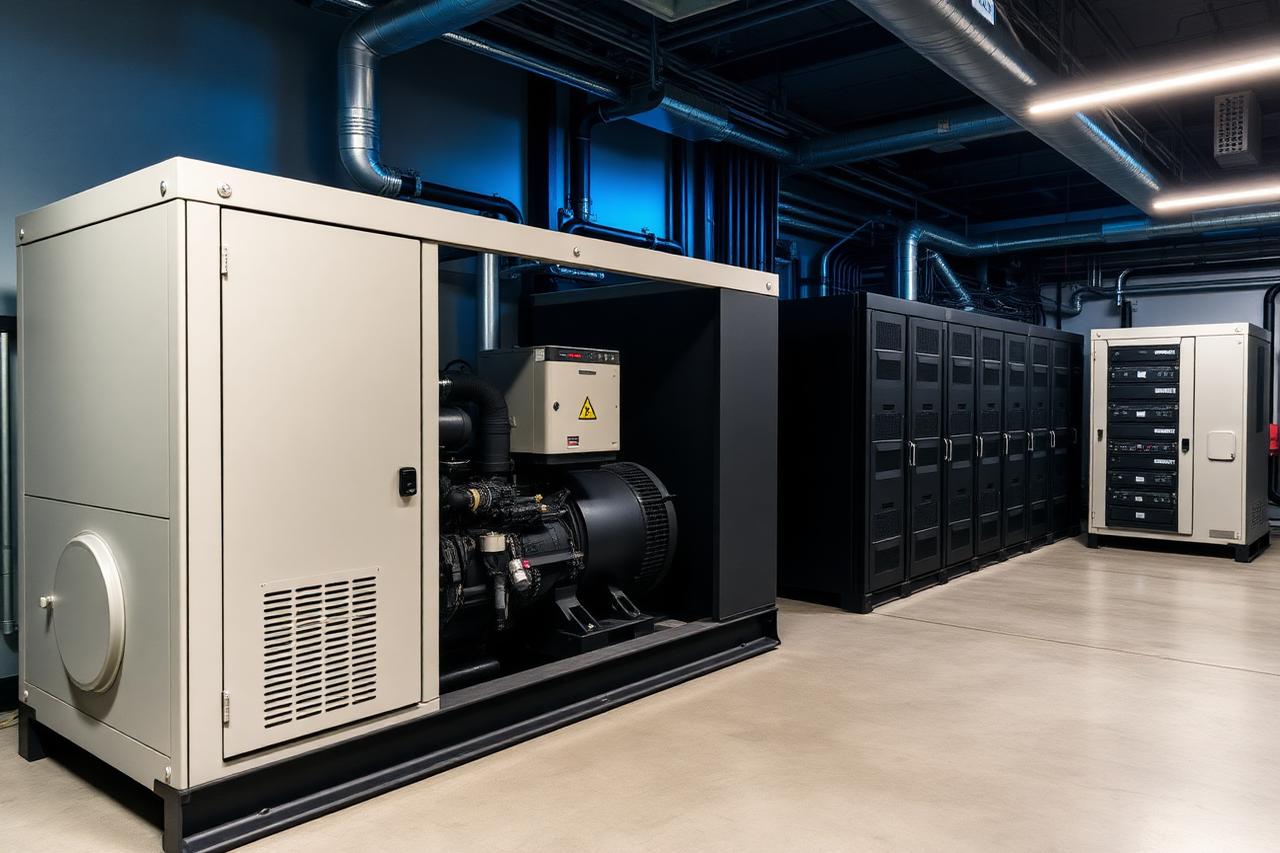
Critical Power
Some operations can absorb a loss of supply and some cannot. Where an interruption stops production, disrupts a service or puts stored goods, processes or data at risk, the electrical conversation shifts from installation to resilience: what happens in the seconds after a supply is lost, and what happens in the hours that follow.
This category covers uninterruptible power supplies, standby generation and the distribution and changeover arrangements that connect them to the loads that matter. GridGuys does not design, supply or maintain these systems, and does not make engineering judgements about them. We take the details of the requirement and pass the enquiry to an electrical contractor working in this area.
Scope
Requirements are described at a commercial level at enquiry stage. Any technical assessment, sizing or specification is a matter for the contractor.
New UPS installations, replacement of existing units, battery replacement programmes and the distribution arrangements that determine which loads are supported.
Standby generator installations, replacement of ageing sets, associated fuel and containment arrangements, and the electrical works needed to connect a set to the installation.
Switching between normal and standby supplies, associated panels and controls, and the works required where a site's changeover arrangement is being altered.
Separating essential from non-essential loads, dedicated distribution for supported equipment, and reorganising boards so that resilience follows what the operation actually depends on.
Electrical works associated with temporary supplies or hired generation during a planned shutdown, a system replacement or a period of building works.
Routine testing regimes, load testing arrangements and continuing servicing of standby equipment so that it is exercised rather than left untouched between events.
Practicalities
These are the points that most often shape the programme, the method and the price on this type of project.
Batteries and standby plant have a service life. Replacement is often planned rather than reactive, and is a frequent reason for enquiries in this category.
An interruption that stopped an operation regularly prompts a review of what was supported, what was not, and whether that split still reflects the business.
New equipment, systems or processes can move loads into the essential category that were not treated as essential when the resilience arrangements were installed.
Some organisations need to demonstrate continuity arrangements to customers, insurers or regulators, which shapes both the works and the records kept.
Where it applies
Requirements arise across very different organisations, but the common factor is that an interruption has a direct operational or commercial consequence.
Related work
Resilience work rarely stands alone; it usually sits on top of the site's wider distribution and maintenance arrangements.
Resilience and standby plant within a wider planned maintenance regime.
Data halls and comms facilities apply the same principles at a higher density and with tighter change control.
Standby supplies connect into the site's distribution, so switchgear and sub-mains are often part of the same project.
Standby equipment is only useful if it is exercised and maintained, which usually means a continuing arrangement.
Production and process loads are frequently what the resilience arrangements exist to protect.
See the full range on our commercial electrical services hub.
You do not need all of this to submit an enquiry, but the more you can include, the more accurately a contractor can respond.
How GridGuys works
GridGuys does not carry out electrical work. We take your enquiry, review what is needed and introduce you to an electrical contractor working in that category. From the introduction onwards, the contractor deals with you directly.
Give the site details, the works required and anything you already have such as drawings or photos.
We look at the scope, location and timeframe so the enquiry goes to a contractor set up for that work.
We connect you with an electrical contractor whose capabilities match what you have described.
The contractor prices the works and deals with you directly from that point onwards.
FAQs
Describe what the operation depends on and what is already installed. Your enquiry is passed to an electrical contractor working on UPS, standby generation and resilience.